
Data has become a core business asset in the UAE.
Organizations now rely on analytics to improve operations, understand customers, and reduce risk. Government digital transformation programs and smart city initiatives continue to accelerate adoption.
This article explains the major big data analytics trends shaping UAE businesses and what companies should expect next.

Growth of Big Data in the UAE Market
The UAE has positioned itself as a regional technology hub. Investments in AI, cloud infrastructure, and digital services have increased demand for analytics solutions.
Businesses generate massive datasets from:
- Online transactions
- IoT devices
- Customer interactions
- Mobile applications
- Enterprise systems
Companies no longer store data only for reporting. They use analytics to drive decisions in real time.
Key growth drivers include:
- Smart Dubai initiatives
- Expansion of fintech and e-commerce
- Government digital strategies
- Cloud adoption across enterprises
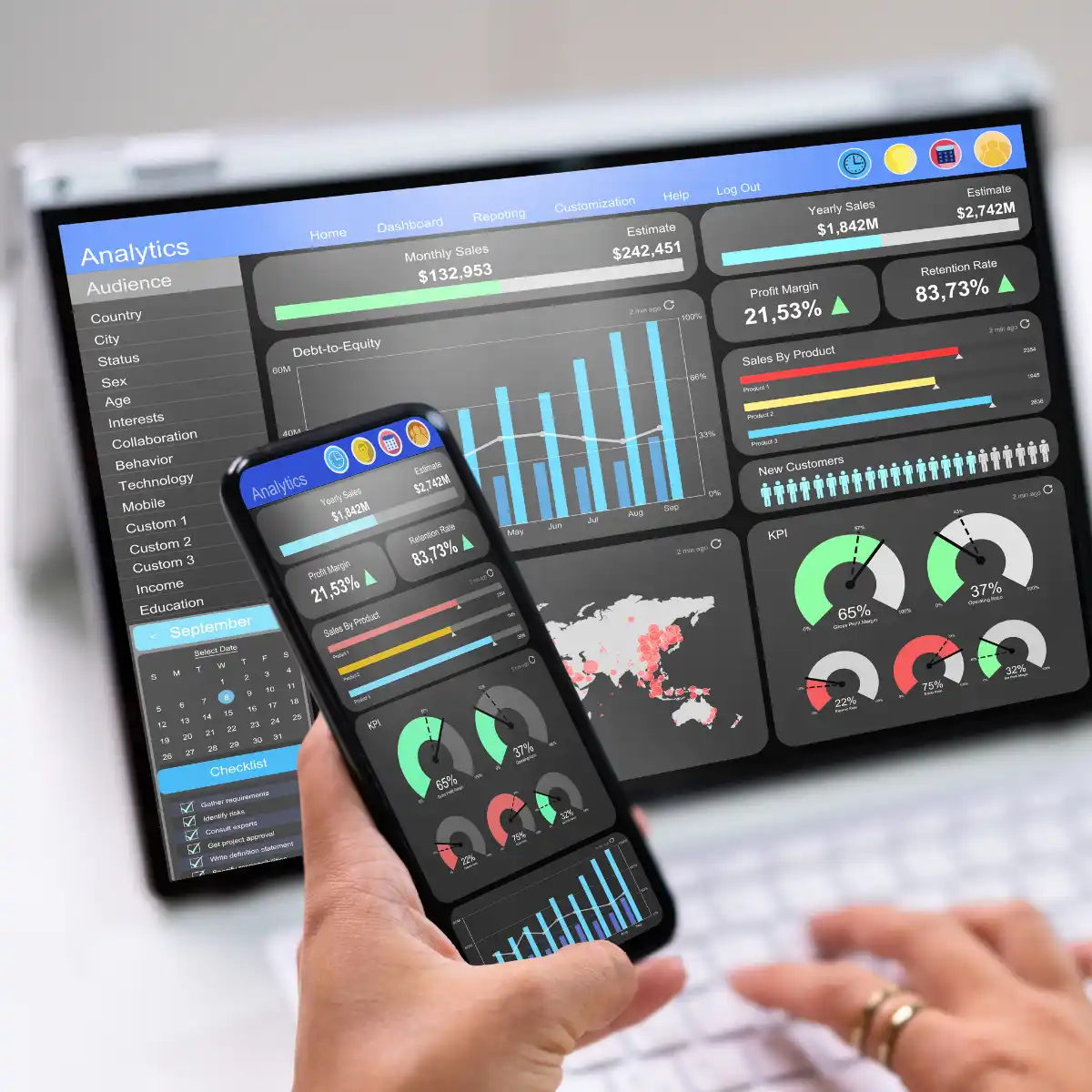
Organizations now measure performance using dashboards instead of manual reporting.
Data democratization is also increasing. Non-technical teams access analytics tools through user-friendly platforms.
As competition grows, companies using data effectively gain faster insights and stronger market positioning.
Businesses searching for scalable solutions often partner with a Data Analytics Company in Dubai to implement structured analytics frameworks aligned with business goals.
AI-Powered Analytics Transforming Businesses
Artificial intelligence is changing how analytics works. Traditional reporting explains past performance. AI predicts future outcomes.
Machine learning models analyze patterns faster than manual analysis.
Benefits include:
- Faster decision-making
- Reduced operational costs
- Improved forecasting accuracy
- Automated insights generation
AI analytics allows companies to shift from reactive strategies to proactive planning.
Organizations integrate AI into CRM systems, supply chains, and financial forecasting tools.
This shift is becoming standard across UAE enterprises.
Predictive Analytics Adoption
Predictive analytics estimates future trends using historical data.
Businesses use it for:
- Sales forecasting
- Customer behavior prediction
- Risk management
- Inventory optimization
Retail companies forecast demand before peak seasons.
Banks identify fraud patterns early.
Healthcare providers predict patient needs using historical treatment data.
Predictive models reduce uncertainty and improve resource planning.
Companies increasingly invest in predictive tools because measurable ROI appears quickly.
Automation Through Machine Learning
Machine learning automates repetitive analytical tasks.
Examples include:
- Automated reporting
- Customer segmentation
- Recommendation engines
- Fraud detection systems
Automation reduces dependency on manual analysis teams.
Employees focus on strategy rather than data preparation.
Machine learning also improves continuously as more data becomes available, increasing accuracy over time.
Cloud-Based Data Analytics Expansion
Cloud computing has removed infrastructure barriers for analytics adoption.
Companies no longer need expensive on-premise servers.
Cloud platforms provide:
- Flexible storage
- High processing power
- Remote accessibility
- Faster deployment
UAE organizations increasingly migrate analytics workloads to cloud environments.
This approach supports hybrid and remote work models.
Cloud analytics also enables collaboration between departments through centralized dashboards.
Scalability Benefits
Businesses experience fluctuating data volumes.
Cloud analytics allows scaling resources instantly.
Advantages include:
- Pay-as-you-use pricing
- Faster expansion
- Reduced IT maintenance
- Automatic updates
Startups benefit as much as enterprises because initial investment remains low.
Companies scale analytics capabilities as they grow.
Real-Time Data Processing
Real-time analytics helps organizations act immediately.
Use cases include:
- Live customer tracking
- Dynamic pricing
- Fraud monitoring
- Logistics optimization
Streaming analytics tools process data within seconds.
This capability improves customer experience and operational efficiency.
Real-time insights are becoming essential in competitive UAE markets.
Industry Applications of Big Data in UAE
Big data analytics impacts nearly every industry.
Organizations customize analytics strategies based on operational needs.
Common sectors adopting analytics include finance, retail, healthcare, logistics, and government services.
Data-driven culture improves transparency and performance measurement.
Retail and E-Commerce
Retailers analyze customer behavior across digital channels.
Analytics enables:
- Personalized recommendations
- Demand forecasting
- Customer lifetime value analysis
- Marketing performance tracking
E-commerce companies optimize advertising spend using analytics dashboards.
Customer experience improves through personalized engagement.
Healthcare and Smart Government
Healthcare providers analyze patient data for improved outcomes.
Applications include:
- Treatment optimization
- Resource allocation
- Disease trend monitoring
Smart government initiatives use analytics for:
- Traffic management
- Energy optimization
- Public service efficiency
Data-driven governance improves planning accuracy and service delivery.
Data Governance and Security Trends
As data volumes grow, governance becomes critical.
Organizations must ensure compliance, accuracy, and privacy.
Strong governance frameworks include:
- Data classification policies
- Access controls
- Monitoring systems
- Audit trails
Security is now integrated into analytics platforms.
Compliance Requirements
UAE businesses follow data protection regulations and international standards.
Compliance ensures:
- Customer trust
- Legal protection
- Secure data usage
Companies implement governance policies early to avoid operational risks.
Cybersecurity Integration
Analytics platforms now include built-in security monitoring.
Security analytics detects anomalies and threats faster.
Integration between cybersecurity and analytics helps organizations respond proactively.
This approach reduces breach risks and strengthens operational resilience.
Future of Big Data Analytics in the UAE
The next phase of analytics will focus on automation and intelligence.
Key future developments:
- AI-driven decision platforms
- Edge analytics with IoT devices
- Self-service analytics tools
- Natural language data queries
- Industry-specific analytics solutions
Organizations will rely less on static dashboards and more on automated insights.
Data literacy among employees will also increase.
Companies investing early will gain long-term competitive advantages.
Choosing the Right Analytics Partner
Selecting the right analytics partner determines project success.
Businesses should evaluate:
- Industry experience
- Cloud integration capabilities
- Security standards
- Custom solution development
- Ongoing support
A reliable partner helps align analytics with measurable business outcomes.
CloudSync Technologies supports UAE organizations with scalable analytics architecture, AI integration, and secure data platforms designed for growth.
Conclusion
Big data analytics is reshaping how UAE businesses operate.
AI, cloud platforms, and real-time insights are becoming standard operational tools.
Organizations that adopt analytics strategically improve efficiency, customer understanding, and long-term profitability.
The UAE’s digital economy continues to expand, making data-driven decision-making essential rather than optional.
Businesses that invest in analytics today build stronger, smarter operations for tomorrow.